Water Damage Restoration Belton, TX
24/7 water damage restoration in Belton, TX. The restoration team extracts standing water, dries the structure to the IICRC S500 standard and documents every step for your insurance claim.
(888) 926-4485Start water removal at any hour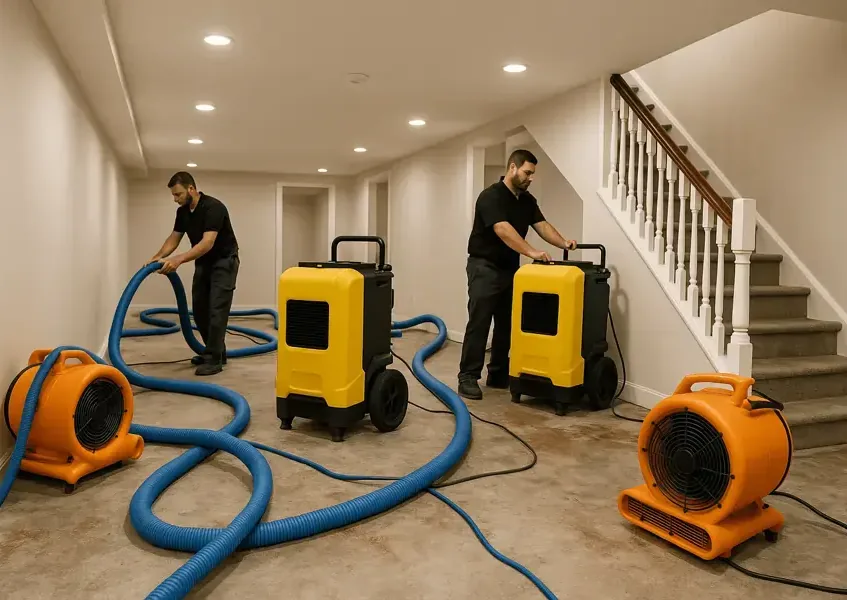
Water Damage Restoration Services in Belton, TX
Water and sewage only, from the first extraction to the last moisture reading, across downtown, Three Creeks, Dawson Ranch and the rest of ZIP 76513.
 Stop 01Water Extraction and RemovalTruck-mounted extraction pulls standing water out first, before pad, drywall and framing soak it up.See how it works
 Stop 02Slab Leak Water DamageHidden leaks under slab floors on shrink-swell clay, with the slab and lower walls dried out.See how it works
 Stop 03Burst Pipe Water DamageSplit supply pipes and failed fittings in walls and attics, with every wet cavity dried.See how it works
 Stop 04Frozen Pipe Water DamageAttic, garage and exterior-wall pipes that split when a hard Central Texas freeze settles in.See how it works
 Stop 05Flash Flood and Creek Water CleanupNolan Creek and runoff water handled as Category 3, mud cleared and the structure dried.See how it works
 Stop 06Roof Leak Water DamageHail and wind-driven rain leaks dried from the attic decking and insulation on down.See how it works
 Stop 07Ceiling Leak Water DamageUpstairs bath and attic plumbing leaks traced, sagging drywall opened and joists dried.See how it works
 Stop 08Water Heater Leak CleanupAttic and garage tank failures extracted before ceilings, cabinets and stored boxes soak through.See how it works
 Stop 09AC Condensate Leak Water DamageClogged drains and rusted pans under attic air handlers, the long cooling season's usual leak.See how it works
 Stop 10Appliance and Supply Hose LeaksWasher hoses, dishwasher, ice maker and toilet supply leaks, dried under the cabinets too.See how it works
 Stop 11Sewage Backup CleanupToilet, drain and septic backups contained as Category 3, porous materials removed and treated.See how it works
 Stop 12Crawl Space Water RemovalWater under older pier-and-beam homes pumped out, insulation pulled and joists dried.See how it works
 Stop 13Structural Drying and DehumidificationFraming, subfloor, slab and wall cavities dried to readings, not to a calendar date.See how it works
 Stop 14Commercial Water DamageDowntown shops, offices, churches and rental property dried in phases to keep doors open.See how it works
What to do while the water is still moving
Five steps for the first hour, in the order that keeps people safe first and the house second.
- 1Close the main water valveA broken supply pipe can move hundreds of gallons an hour. The main shutoff usually sits where the pipe enters the house or at the meter box.
- 2Cut power to wet roomsSwitch off breakers for wet areas, but only if the panel and the floor in front of it are dry.
- 3Keep clear of water near outletsWater around cords, outlets, a water heater or an AC unit can be energized.
- 4Photograph before moving anythingTimestamped photos of every wet room start the claim file before cleanup changes the scene.
- 5Lift what you can, then callMold can start growing inside 24 to 48 hours, so drying should begin as soon as possible.
Water damage dried to the IICRC S500 standard
Structural drying, not just surface drying. Equipment stays until the readings say dry, not until the room looks dry.
- 1
Moisture mapping
The tech who does the walkthrough maps wet materials with pinless meters and thermal imaging before any equipment goes down.
- 2
Extraction
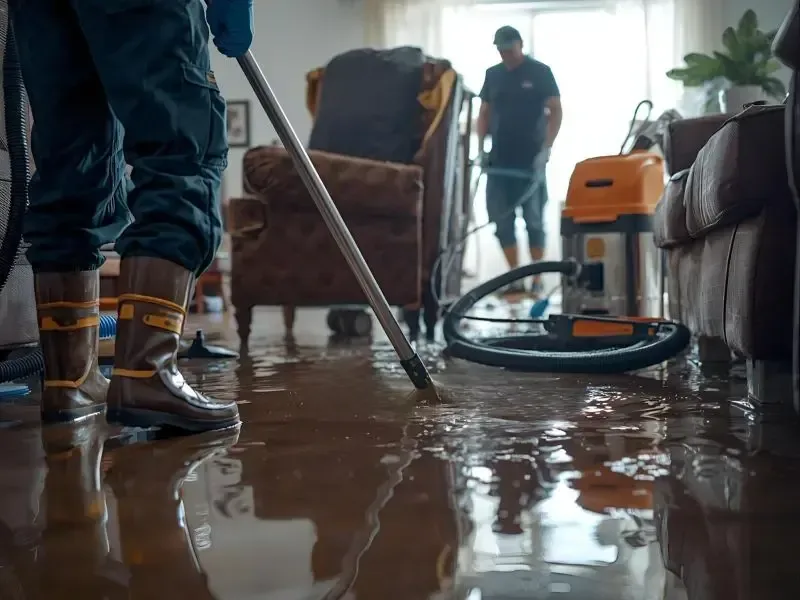
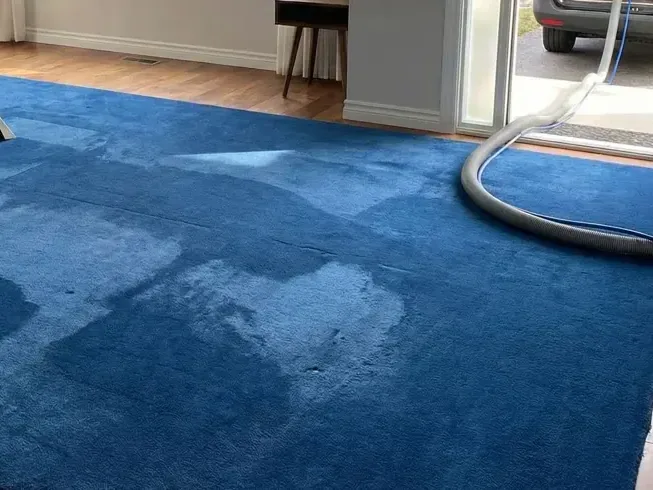
The extraction crew pulls standing water with truck-mounted units so it leaves the building instead of soaking in.
- 3
Air movers and LGR
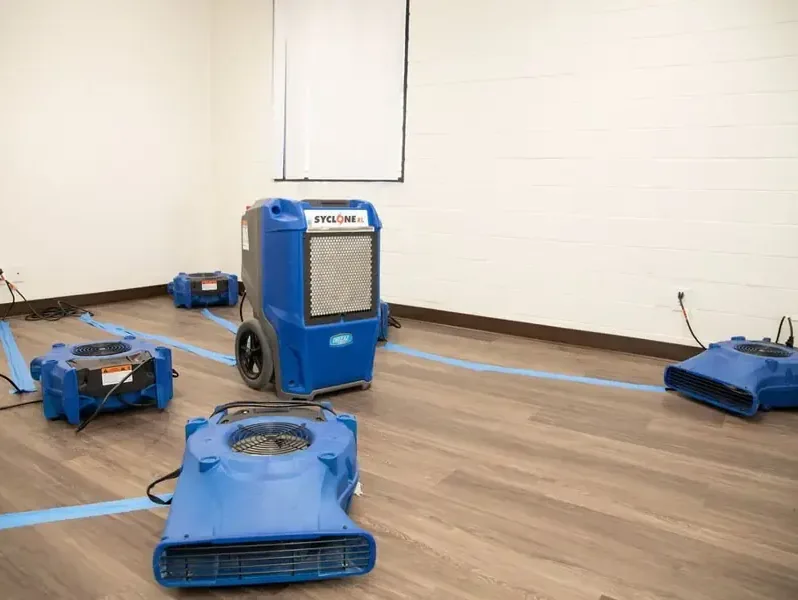
Air movers are set to each room's evaporation load while LGR dehumidifiers pull that moisture out of the air.
- 4
Dry verification
Daily readings continue until wet materials sit within 2 to 4 points of a dry reference.
The gear a real dry-out runs on
- Truck-mounted extractors
- LGR dehumidifiers
- Desiccant units for dense materials
- High-velocity air movers
- Thermal imaging cameras
- Pin and pinless moisture meters
- HEPA air scrubbers
How a water loss is handled here, start to finish
A finished dry-out and a cosmetic one differ in the order of the work. The drying plan follows what is actually wet under the floor and behind the walls, not what only looks wet.
Rapid local response
The response team dispatches around the clock across ZIP 76513 and the nearby Bell County towns, holidays included.
IICRC S500 drying standard
Drying follows the industry standard, from the water category to the final reading.
Claim-ready documentation
Moisture maps, daily logs and timestamped photos go into a file an adjuster can follow.
Central Texas water know-how
Slab leaks on clay soil, attic AC overflows, hard freezes and Nolan Creek runoff are the everyday work here.
When Nolan Creek leaves its banks
Flash flooding is the other half of water damage here. Heavy storms over the Killeen side send Nolan Creek up fast through downtown on its way to the Leon River.
- In December 1913, a cloudburst at the creek's headwaters sent a flood wave through downtown that carried a house away near the courthouse square.
- In September 2010, Tropical Storm Hermine dropped more than 8 inches of rain in 12 hours, flooding Central Avenue businesses and forcing evacuations in Shirttail Bend.
- The city now runs flood monitoring stations along Nolan Creek that report rising water as it happens.
What does water damage restoration cost in Belton, TX?
Most water damage restoration jobs here run $1,200 to $8,000 or more. The drivers are the water category (clean, gray or black), how many square feet got wet, the material class and how fast drying started.
Contained clean water
- One or two rooms on a slab
- Extraction and drying in place
- Daily moisture readings
Several rooms or a ceiling
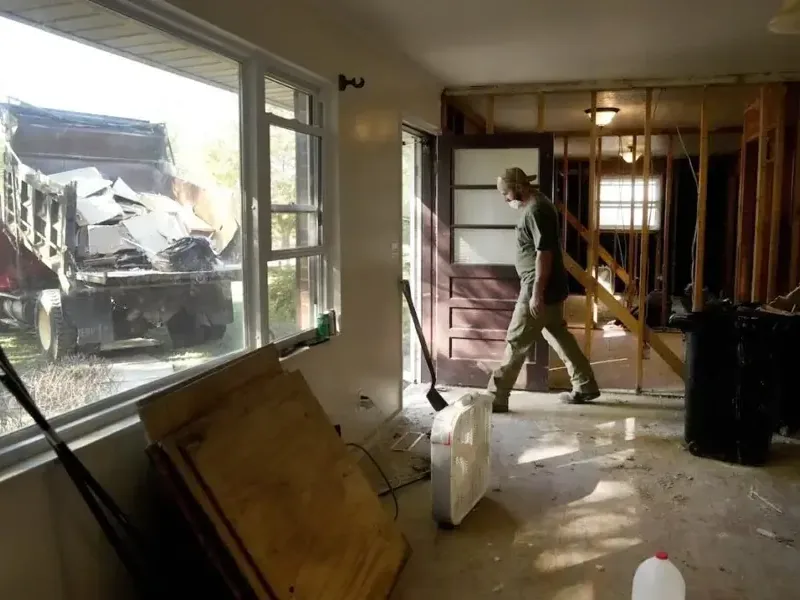
- Flood cuts and wet insulation removed
- Carpet and pad pulled
- Several LGR dehumidifiers
Sewage or creek water
- Category 3 protocol
- Containment and HEPA air scrubbers
- Porous materials removed
These are typical ranges, not a quote. For a closer planning figure, use the water damage cost calculator.
Documentation for your insurance claim
A water claim is decided on the file, not on the phone call. A complete file from the restoration contractor who responds carries:
- The moisture map from the first visit
- Daily psychrometric logs and moisture readings
- Timestamped photos taken before any demolition
- The category and class of the loss
- A line-item scope in the format adjusters expect
Sudden and accidental versus flood
A burst supply pipe or a failed water heater is usually treated differently from rising creek water, which falls under flood coverage. Slab leak claims can treat the access, the drying and the pipe repair differently.
Coverage depends on your policy, so it is worth checking with your own insurer before work beyond mitigation starts.
All water damage categories covered in Belton, TX
Category 1, 2 and 3 water are handled differently, and the category sets what can be dried and what has to go.
Category 1, clean water
Supply pipes, slab leaks and water heaters. Usually dried in place when the work starts early.
Burst pipe water damageCategory 2, gray water
Washer and dishwasher discharge and toilet overflow without waste. Soaked carpet pad usually comes out.
Appliance and supply hose leaksCategory 3, black water
Sewage, septic backups and creek or flood water. Porous materials get removed, not dried.
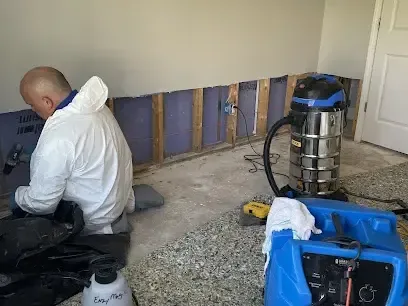
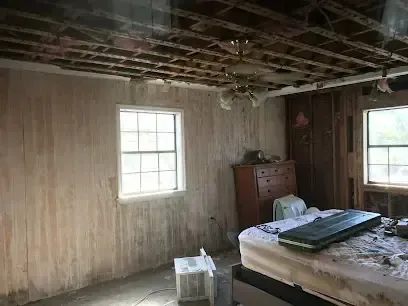
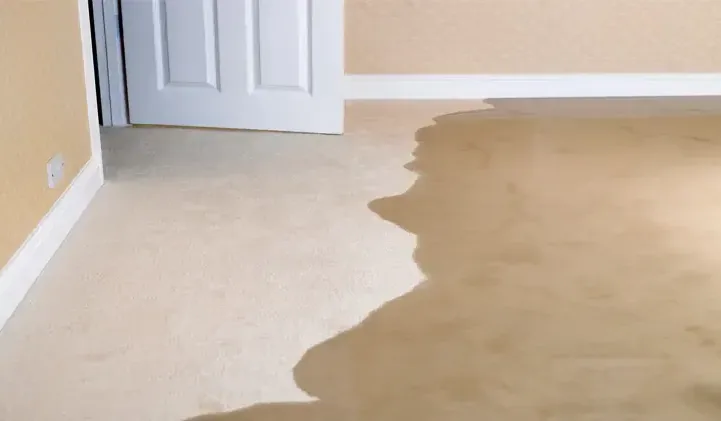
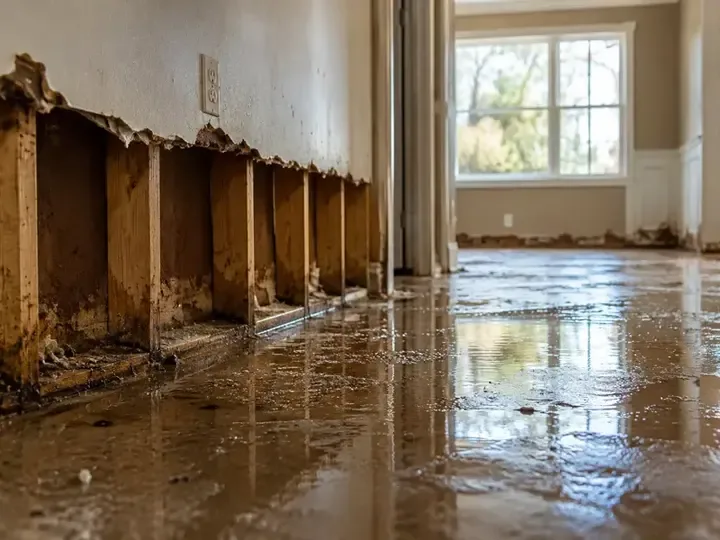
Sewage backup cleanupWhat a water damage dry-out looks like up close

Water damage restoration across Belton and nearby Bell County
The restoration team covers the city in ZIP 76513 and the neighborhoods and towns around it, day or night.
One call reaches Belton water damage pros, 24/7
Water damage rarely waits for business hours. The response team asks which rooms are wet and what the water came from, because that decides the equipment that goes on the truck.
(888) 926-4485Send help to the propertyDowntown and the UMHB area
The courthouse square, Central Avenue and Nolan Creek, plus older pier-and-beam homes near the University of Mary Hardin-Baylor.
East of Interstate 35
Shirttail Bend, River Place and the low ground toward the Leon River, where creek water and backups show up together.
The north side
Dawson Ranch, Dawson Ridge and Westfield, newer slab homes with attic air handlers and garage water heaters.
Southwest and the lakes
Three Creeks near Chalk Ridge Falls and the homes out toward Stillhouse Hollow Lake.
Water damage in Belton, TX: the local risk profile
Two kinds of houses and one kind of weather shape the losses the drying team sees most: slab homes on clay, older raised homes near downtown, and storms that drop inches of rain in hours.
- Clay soil and slab leaks. Clay across much of the county shrinks in drought and swells after rain, flexing slabs and the supply pipes inside them.
- Attic mechanicals. Air handlers and water heaters in attics overflow into the ceilings below, most often deep in the cooling season.
- Hard freezes. The February 2021 winter storm held Central Texas below freezing for days and split pipes in attics and exterior walls.
- Pier-and-beam blocks. Older homes near downtown collect water in crawl spaces, where it wets joists and subfloor out of sight.
- Flash flooding. Nolan Creek rises fast in heavy rain, and runoff reaches low lots and Shirttail Bend first.
Water damage questions from local homeowners
How fast can someone respond to water damage in Belton?
Dispatch runs 24/7, and active water is treated as urgent at any hour, weekends and holidays included. Water keeps spreading while it sits, so the first call matters more than the first repair.
What should I do first while the water is still spreading?
If it is safe, close the main valve and switch off breakers for wet rooms, but only if the panel is dry. Stay out of standing water near outlets, photograph everything, then call.
Is water damage covered by insurance in Texas?
A sudden and accidental loss, like a burst supply pipe, is often treated differently from flood water or a slow leak. Coverage depends on your policy, so it is worth checking with your own insurer.
Why are slab leaks so common around here?
Many local homes sit on concrete slabs over clay that shrinks in dry spells and swells after rain. That movement stresses the pipes inside and under the slab until a joint or a pipe gives way.
How long does drying take?
A contained Class 1 or 2 loss usually dries in three to five days. Hardwood, plaster and the slab itself take longer. Equipment leaves when readings reach the drying goal, not on a set date.
What is the IICRC S500?
IICRC S500 is the industry standard for professional water damage restoration. It sets how water is categorized, how drying equipment is sized and how a structure is confirmed dry.
Does drywall always have to come out?
No. Clean water caught early can often be dried in place. Drywall that is saturated, sagging or touched by sewage or flood water is cut out, usually a short distance above the water mark.
Why is sewage or creek water handled differently?
Sewage and flood water are Category 3 from the start. Porous materials they touched are removed, and the area is contained, cleaned and treated with an EPA-registered antimicrobial before drying.
How is the cost of a water damage job worked out?
Most of the price comes from the water category, the square footage that got wet, the materials involved and how quickly drying started. The cost calculator gives a planning range.
What is the difference between mitigation and repair?
Mitigation stops the damage: extraction, removal of ruined materials and drying. Repair, such as new drywall or flooring, is a separate phase that starts once the structure reads dry.
Water in the house right now?
The restoration team extracts the water, dries the structure to the IICRC S500 standard and documents every step for the claim, day or night.
(888) 926-4485Bring in the drying crew nowBelton Water Damage Restoration
Belton, TX · Bell County
Open 24 hours, 7 days a week